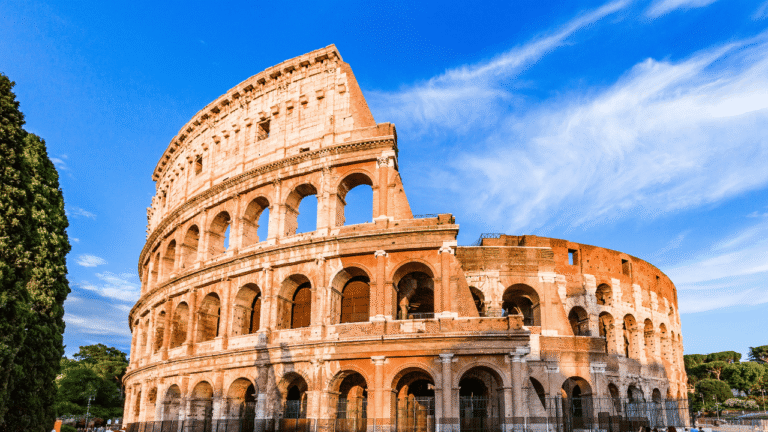
Rome is one of those cities where the history is just lying around in the street. You turn a corner and there is a two thousand year old temple next to a gelato shop. This Rome travel guide is built for a first visit, with a focus on seeing the big sights while dodging the worst of the crowds.
Because make no mistake, Rome gets busy. The difference between a magical day and a frustrating one usually comes down to timing, so I will keep coming back to that.
Quick Summary
- Come in spring or autumn to dodge the worst heat and crowds.
- Book timed tickets online for the Colosseum, Vatican Museums and Borghese Gallery.
- Start early and see the outdoor icons at night when they are far calmer.
- Eat a few streets away from the landmarks for better food at lower prices.
- Three days covers the highlights; four gives you Trastevere and a slower pace.
| Best time to visit | April, May, late September and October |
|---|---|
| Days needed | 3 to 4 days |
| Daily budget | Budget 70 to 100 euros, mid range 140 to 200 euros |
| Book ahead | Colosseum, Vatican Museums, Borghese Gallery |
| Currency | Euro |
When to go
Aim for the shoulder seasons. April, May, late September and October give you warm weather and slightly thinner crowds. Summer is hot, crowded and expensive, and the midday heat in July and August drains you fast. Winter is quiet and cheaper, with cool but often sunny days, and you get shorter lines at the major sights.
Where to stay
- Centro Storico, the historic centre, puts you steps from the Pantheon, Piazza Navona and the Trevi Fountain. Lovely and walkable, though pricier.
- Monti is a stylish, slightly bohemian area near the Colosseum with good bars and restaurants and a local feel.
- Trastevere sits across the river and is full of cobbled lanes, ivy covered buildings and lively evenings. Great for food and atmosphere.
- Near Termini station you find cheaper hotels and easy transport links, handy on a budget, though the area itself is less charming.
Rome is very walkable in the centre, so staying central saves you time even if it costs a little more.
Beat the crowds
This is the whole game in Rome. A few habits make an enormous difference.
- Book timed tickets online in advance for the Colosseum, the Vatican Museums and the Borghese Gallery. Turning up without a booking means long queues or being turned away.
- Start early. Being at a major sight right when it opens, around eight or nine, means you beat the tour groups that flood in mid morning.
- Visit the outdoor icons at night. The Trevi Fountain, the Pantheon exterior and the Spanish Steps are beautiful and far calmer after dark.
- Save the Vatican for early on a weekday, and avoid Wednesday mornings when the papal audience packs the area.
Crowd-beating rules
- Pre-book timed tickets for the big sights.
- Arrive right at opening, around 8 or 9, to beat the tour groups.
- Visit the Trevi Fountain and Pantheon exterior after dark.
- Avoid the Vatican on Wednesday mornings when the papal audience packs the area.
The must see sights
- The Colosseum and the Roman Forum sit side by side, and one ticket usually covers both plus the Palatine Hill. Give it a full morning.
- The Pantheon is free to enter and genuinely jaw dropping inside, with that famous open hole in the dome.
- Vatican City holds St Peter's Basilica, which is free, and the Vatican Museums, which end with the Sistine Chapel. Allow at least half a day.
- The Trevi Fountain and the Spanish Steps are close together and easy to fit around other stops.
- Throw a coin over your shoulder into the Trevi if you want to keep the tradition, then move on before the crowd swallows you.
Eating well in Rome
Roman food is simple and brilliant. Look for four classic pastas. Carbonara, cacio e pepe, amatriciana and gricia. Try a supplì, a fried rice ball with mozzarella inside, as a snack. And of course pizza al taglio, sold by weight and eaten on the go.
Skip restaurants with photo menus and pushy staff right next to the big sights, since these are usually overpriced tourist traps. Walk a few streets away and you eat better for less. A casual meal runs around twelve to eighteen euros, a proper sit down dinner with wine closer to twenty five to forty euros a head.
Gelato is a daily event. Choose places that store it in covered metal tins and use natural colours rather than bright fluffy mountains, which often signal cheap ingredients.
What a day costs
- Budget: 70 to 100 euros with a simple room, casual food and a couple of paid sights.
- Mid range: 140 to 200 euros with a nicer central hotel, restaurant meals and skip the line tickets.
Sight prices and hotel rates change often, so check before you commit.
| Travel style | Daily budget | What it covers |
|---|---|---|
| Budget | 70 to 100 euros | Simple room, casual food, a couple of paid sights |
| Mid range | 140 to 200 euros | Nicer central hotel, restaurant meals, skip the line tickets |
Handy tips
Carry a refillable bottle and fill it at the nasoni, the little public fountains around the city, since the water is clean and cold. Wear comfortable shoes because you will walk on uneven cobbles all day. Validate transport tickets if you use buses. And keep your bag zipped and in front of you around Termini and on crowded buses, where pickpockets work.
Easy day trips from Rome
If you have an extra day, a few places nearby make a great escape from the city.
- Ostia Antica is an ancient Roman port town, less famous than Pompeii but wonderfully preserved and far closer, reachable by a short train ride.
- Tivoli, in the hills east of the city, has two stunning villas with gardens and fountains, Villa d'Este and Hadrian's Villa.
- The Castelli Romani, a cluster of small towns in the hills south of Rome, offer local wine, lake views and a slower pace.
- For a bigger day out, fast trains reach Naples in about an hour, putting Pompeii and a legendary pizza scene within reach.
All of these work as a day trip using trains or a tour, and they give you a taste of the countryside and history beyond the capital. If your legs need a break from cobbles and crowds, a day out like this is the perfect change of scene.
How many days you need
Three full days covers the headline sights without a sprint. A fourth day gives you room for Trastevere, a slower lunch, or a trip out to somewhere like Ostia Antica. If you want the Vatican, the ancient ruins and time to just wander with a gelato, four days is the sweet spot.
Plan your timing, book ahead, and Rome stops being a scrum and starts being the city everyone falls for.