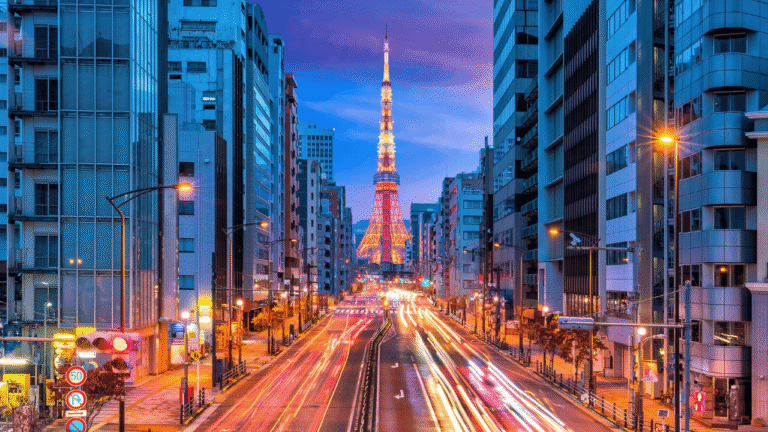
Tokyo can feel like a lot when you first arrive. It is huge, fast and endlessly layered, with quiet old temples sitting a short walk from streets that look like the future. But it is also one of the most rewarding cities in the world to explore. Here are the top things to do in Tokyo for a first visit, organised so the size of the place stops feeling scary.
The best approach is to explore neighbourhood by neighbourhood, since each one has its own feel and you can cover a lot on foot once you are in an area.
Quick Summary
- Explore Tokyo neighbourhood by neighbourhood rather than trying to see it all.
- Pair electric Shibuya and Shinjuku with old town Asakusa and stylish Harajuku.
- Eat cheaply and brilliantly at ramen counters, conveyor sushi and konbini.
- Get a Suica or Pasmo card and let your maps app handle the trains.
- Many highlights (shrines, parks, free observation decks) cost nothing.
Explore Shibuya and Shinjuku
Start with the electric side of Tokyo.
- The Shibuya Crossing is the famous scramble where hundreds of people cross from every direction at once. Watch it from the second floor windows of the station or a nearby cafe, then join in yourself.
- Nearby, find the Hachiko statue, a small monument to a loyal dog and a classic meeting spot.
- Shinjuku is a wall of neon, giant screens and endless streets. Wander the alleys of Omoide Yokocho, tiny lanes packed with little food stalls, and see the buzzing entertainment district after dark.
For a free view, head to the observation decks of the Tokyo Metropolitan Government Building in Shinjuku, which cost nothing to visit.
Step back in time in Asakusa
For the older side of the city, go to Asakusa.
- Senso-ji is Tokyo's oldest temple, approached through a huge red gate and a long street of traditional shops selling snacks and souvenirs.
- The area around it keeps an old town feel, with rickshaws, craft stalls and traditional sweets.
- From nearby you get a great view of the Tokyo Skytree, the tallest tower in the city, which you can also go up for a fee.
Asakusa is the best place to feel the traditional side of Tokyo in a single morning.
Wander Harajuku and its style
Harajuku is where Tokyo's youth fashion and street culture come alive.
- Takeshita Street is a narrow, crowded lane packed with quirky shops, crepe stands and colourful style.
- Just beside it sits Meiji Jingu, a peaceful forest shrine that feels a world away from the fashion chaos next door. Walking from one to the other in ten minutes captures the contrast that makes Tokyo special.
- The nearby Omotesando avenue is the upmarket, design led counterpart, lined with striking architecture.
| Area | Good for |
|---|---|
| Shibuya and Shinjuku | Neon, the famous crossing, nightlife |
| Asakusa | Senso-ji temple and old town Tokyo |
| Harajuku | Youth fashion plus the calm Meiji shrine |
| Shinjuku Gyoen and the gardens | Green space to slow down |
Eat your way across the city
Food is a headline attraction in Tokyo, and you do not need a fancy budget to eat brilliantly.
- Slurp a bowl of ramen at a small counter shop, often ordered from a vending machine at the door.
- Try conveyor belt sushi for a fun, affordable introduction to the real thing.
- Explore a depachika, the food hall in the basement of a department store, where beautiful prepared foods are sold and samples abound.
- Visit the outer market at Toyosu or the old Tsukiji outer market for fresh seafood breakfasts.
Convenience stores, called konbini, are also a genuine part of the food scene here, with surprisingly good and cheap meals for when you are on the move.
Find calm in the gardens
Tokyo hides beautiful green spaces between its towers.
- Shinjuku Gyoen is a large, elegant garden mixing Japanese, English and French styles, perfect for a slow afternoon.
- The East Gardens of the Imperial Palace are free and give you a taste of old Edo among the modern skyline.
- Yoyogi Park, next to Meiji Jingu, is where locals relax, especially on weekends.
Take a day trip
If you have time, the areas around Tokyo are easy to reach and worth a day.
- Nikko, to the north, has ornate shrines set in forested mountains.
- Kamakura, to the south, is a laid back coastal town with a giant bronze Buddha.
- On a clear day, a trip toward Hakone gives you hot springs and views of Mount Fuji.
Getting around
The train and metro system is the key to Tokyo. It is vast but incredibly efficient and clean. Get a rechargeable transport card, such as a Suica or Pasmo, and simply tap in and out. Google Maps handles the routing well, telling you which line, platform and exit to use.
Trains stop running around midnight, so plan your late nights around that or be ready to pay for a taxi.
Transport tip
Get a rechargeable Suica or Pasmo card and simply tap in and out. Trains stop around midnight, so plan late nights around that or budget for a taxi.
Keeping costs down
Tokyo has a reputation for being expensive, but it does not have to be. Plenty of the best experiences are cheap or free.
- Eat at ramen counters, conveyor belt sushi spots, and convenience stores, where good meals cost very little.
- Use the free observation decks, like the one at the Metropolitan Government Building, instead of paid towers.
- Explore the neighbourhoods, temples, shrines and parks, most of which cost nothing to enjoy.
- Buy a rechargeable transport card and plan your route to avoid unnecessary train changes, since fares add up.
- Look for lunch sets at restaurants, which offer the same food as dinner at a lower price.
Accommodation is where costs climb, so booking ahead and considering a business hotel or a capsule hotel can save a lot. With a little planning, you can experience the best of Tokyo without the eye watering bill people expect, leaving more in your pocket for the food, which is where the city really shines.
A few first timer tips
- Carry some cash, since smaller shops and restaurants still prefer it, though cards are more widely accepted than they used to be.
- Stand on the correct side of the escalator and keep your voice low on trains, since quiet public manners matter here.
- Do not tip, as it is not part of the culture and can cause confusion.
Tokyo rewards curiosity. Pick a few neighbourhoods, walk them properly, eat everything that looks good, and let the city surprise you. Three or four days barely scratches the surface, but it is enough to fall for the place and start planning your return.