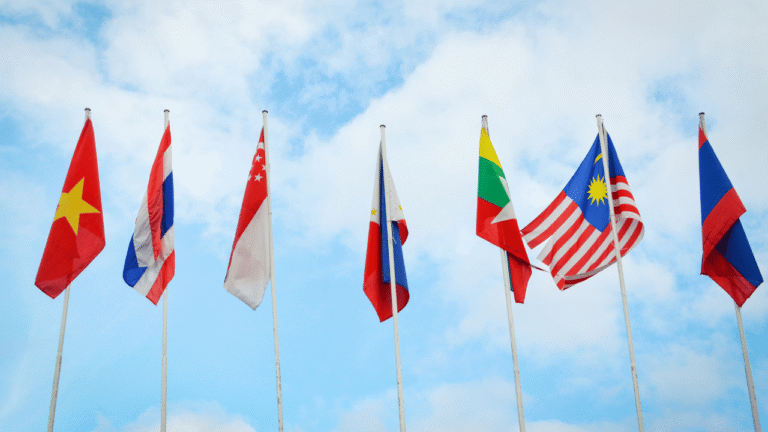
Southeast Asia has been the classic budget travel region for decades, and for good reason. Warm weather, incredible food, friendly people and prices that let you travel for weeks on what a single week in Europe would cost. This is a real cost breakdown for Southeast Asia budget travel, based on how people actually spend once they are on the ground.
I will keep the numbers honest and in US dollars, since that is how most travellers think about the region. Prices shift over time, so treat these as a solid guide rather than a fixed quote.
Quick Summary
- Careful travellers spend roughly 25 to 55 US dollars a day across the region.
- Dorm beds run 3 to 8 dollars and local meals 1 to 3 dollars.
- Travel overland and use overnight buses to save on a night's accommodation.
- Eat where locals eat; western cafes cost several times more.
- Carry cash and withdraw larger amounts to reduce ATM fees.
The countries and rough daily budgets
Costs vary between countries, but here is how they generally stack up for a careful budget traveller.
- Vietnam is one of the cheapest, around 25 to 40 dollars a day.
- Thailand runs around 30 to 50 dollars a day, a little more on the islands.
- Cambodia and Laos sit near Vietnam, roughly 25 to 40 dollars a day.
- Indonesia varies, with Bali pricier than the rest, around 30 to 50 dollars a day.
- Malaysia is slightly more developed and costs a touch more, around 35 to 55 dollars a day.
These figures assume dorm beds or cheap guesthouses, local food, and getting around by bus or train. Add comfort and the numbers climb, but even a mid range trip here is cheap by western standards.
| Country | Careful daily budget |
|---|---|
| Vietnam | 25 to 40 US dollars |
| Thailand | 30 to 50 US dollars |
| Cambodia and Laos | 25 to 40 US dollars |
| Indonesia (Bali pricier) | 30 to 50 US dollars |
| Malaysia | 35 to 55 US dollars |
Accommodation
This is where the region shines. A hostel dorm bed often costs three to eight dollars a night. A private room in a guesthouse or budget hotel runs roughly ten to twenty five dollars, sometimes with a pool. Even a genuinely nice hotel can be forty to seventy dollars in many places.
Book your first night or two ahead, then you can often find better walk in deals once you are there, especially outside peak season. Traveling in the low season drops these prices further.
Food
Food might be the best part. Eating at local spots is both the cheapest and the tastiest option.
- A bowl of pho, pad thai, or nasi goreng from a street stall or small local place costs one to three dollars.
- A meal at a casual sit down restaurant runs three to six dollars.
- Western food and tourist restaurants cost more, closer to six to twelve dollars.
Eat where the locals eat and you can feed yourself well for under ten dollars a day. The moment you switch to western cafes and imported ingredients, your food spend jumps.
Transport
Getting around is cheap, though it can be slow.
- Long distance buses and trains between cities cost anywhere from five to thirty dollars depending on distance and comfort.
- Overnight buses and trains save you a night of accommodation while you travel.
- Budget flights between countries are surprisingly cheap when booked ahead, often twenty to sixty dollars.
- Local transport like tuk tuks, songthaews and ride hailing apps costs a dollar or two for short hops. Use apps like Grab where available to avoid haggling.
Scooter rental is popular and cheap, around five to ten dollars a day, but only ride if you are experienced and insured, since roads can be chaotic.
Activities
Many highlights are cheap or free. Temples, markets, beaches and viewpoints often cost nothing or a small entry fee. Bigger experiences add up but are still reasonable.
- Temple and site entries usually cost a few dollars.
- A day tour, cooking class or boat trip runs fifteen to forty dollars.
- Diving and multi day treks are the pricier splurges, worth budgeting separately.
Pick a couple of paid experiences that matter to you and fill the rest with the free stuff, and your activity budget stays small.
A sample weekly budget
Here is what a careful week might look like for one person in a cheaper country like Vietnam.
- Accommodation: 60 to 100 dollars for the week.
- Food: 40 to 70 dollars.
- Transport: 30 to 60 dollars including a couple of long journeys.
- Activities: 40 to 80 dollars.
That lands somewhere around 170 to 300 dollars for a full week, which is remarkable value for what you get.
Money mistakes to avoid
A few common slips cost travellers more than they need to spend in the region.
- Paying tourist prices without checking. In markets and with tuk tuks, the first price is often inflated, so compare and negotiate politely.
- Using airport currency exchange booths, which give poor rates. Withdraw from a bank ATM in the city instead, ideally in larger amounts to reduce fees.
- Booking everything in advance from home. Many tours, rooms and transport tickets are cheaper booked locally once you arrive, and it gives you flexibility too.
- Overtipping out of habit. Tipping customs are lighter here than in the west, so a small tip for good service is plenty.
- Sticking only to western restaurants and cafes. They cost several times more than the local food, which is usually better anyway.
Keep an eye on these and your money stretches much further. The region is cheap, but tourist focused spots will happily charge you many times the local rate if you let them.
Tips to keep costs down
- Travel overland where you can, and use overnight journeys to save on rooms.
- Eat local food and treat western meals as an occasional treat.
- Carry cash, since many small places do not take cards, and use ATMs that charge lower fees.
- Bargain politely in markets, but keep perspective, since you are often haggling over pocket change.
- Slow down. Moving less often means fewer transport costs and better deals on longer stays.
Southeast Asia rewards travellers who take it easy and eat like locals. Do that, and you can stretch a modest budget into weeks of the kind of travel most people only manage for a few days elsewhere.
Money tip
Skip airport exchange booths and withdraw from a bank ATM in the city, ideally in larger amounts to reduce fees, since many small places do not take cards.